Single Women's Action Network
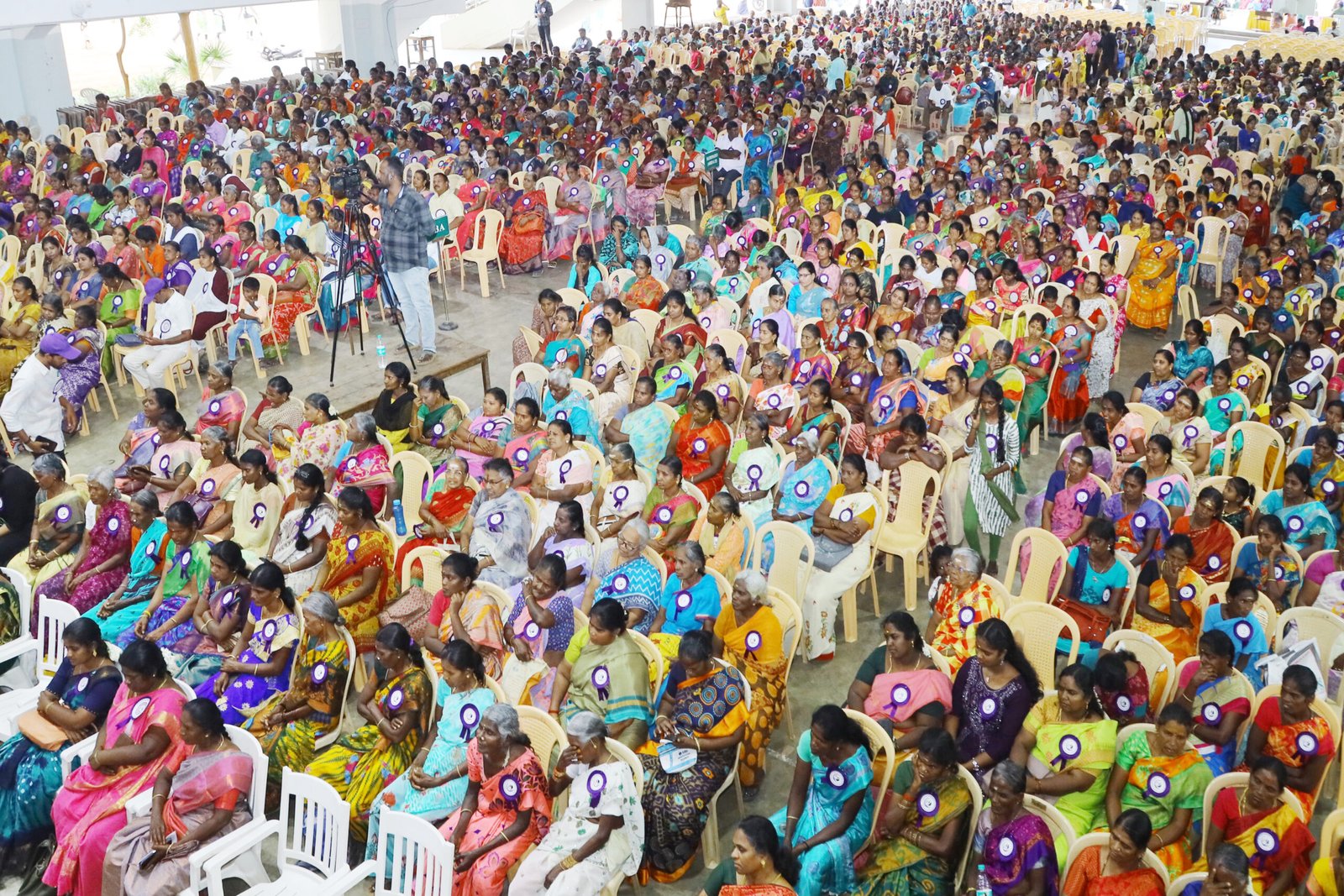
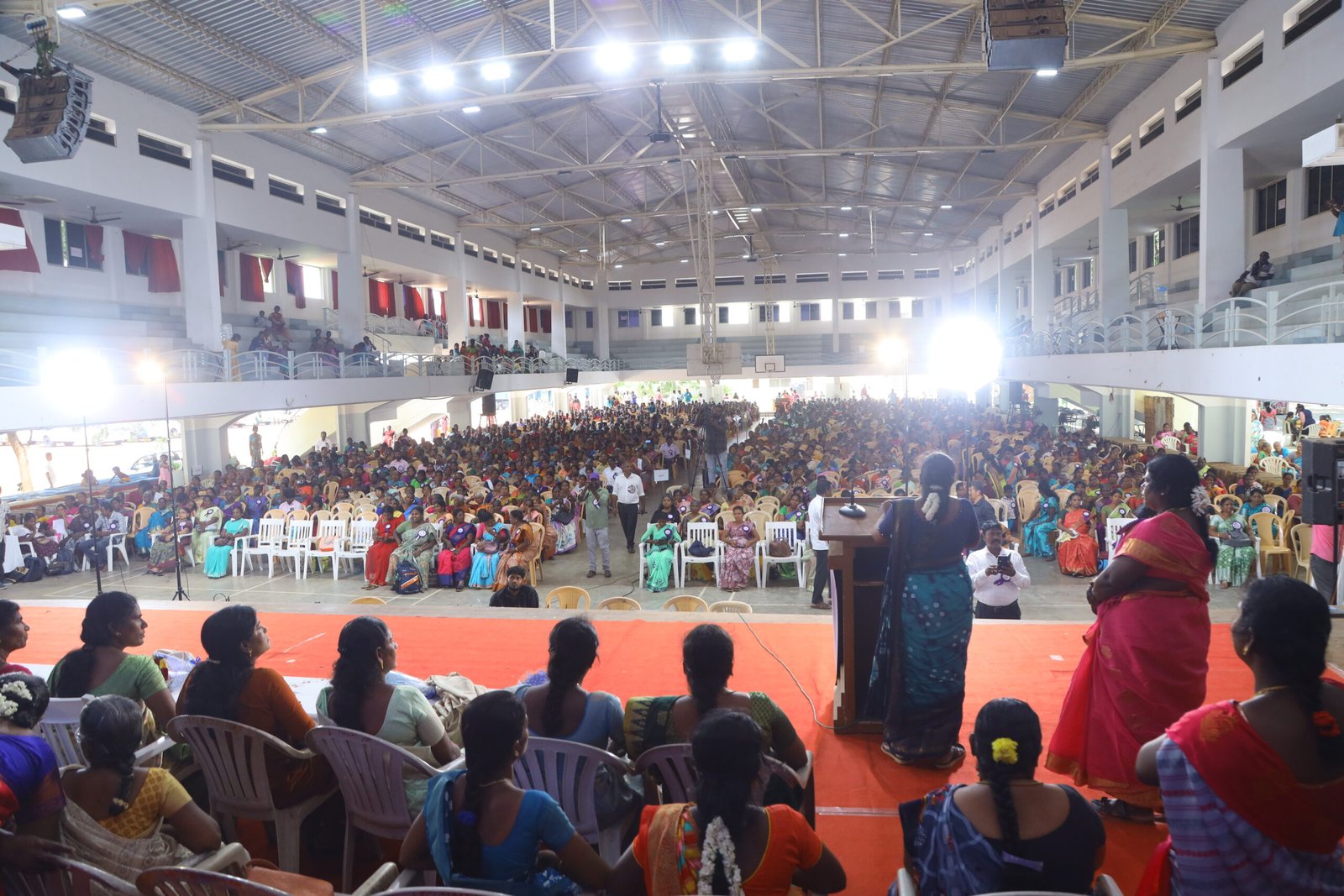
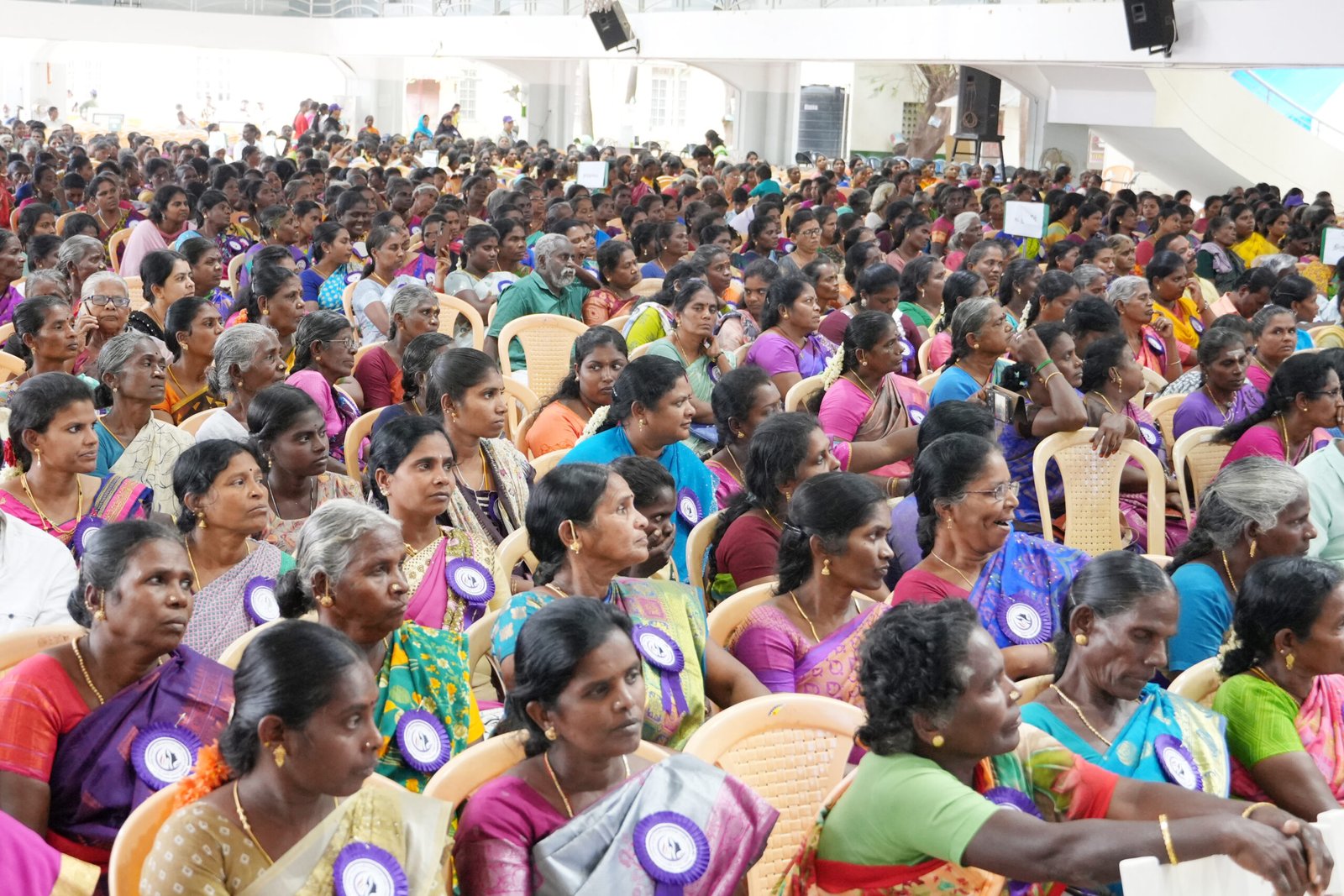
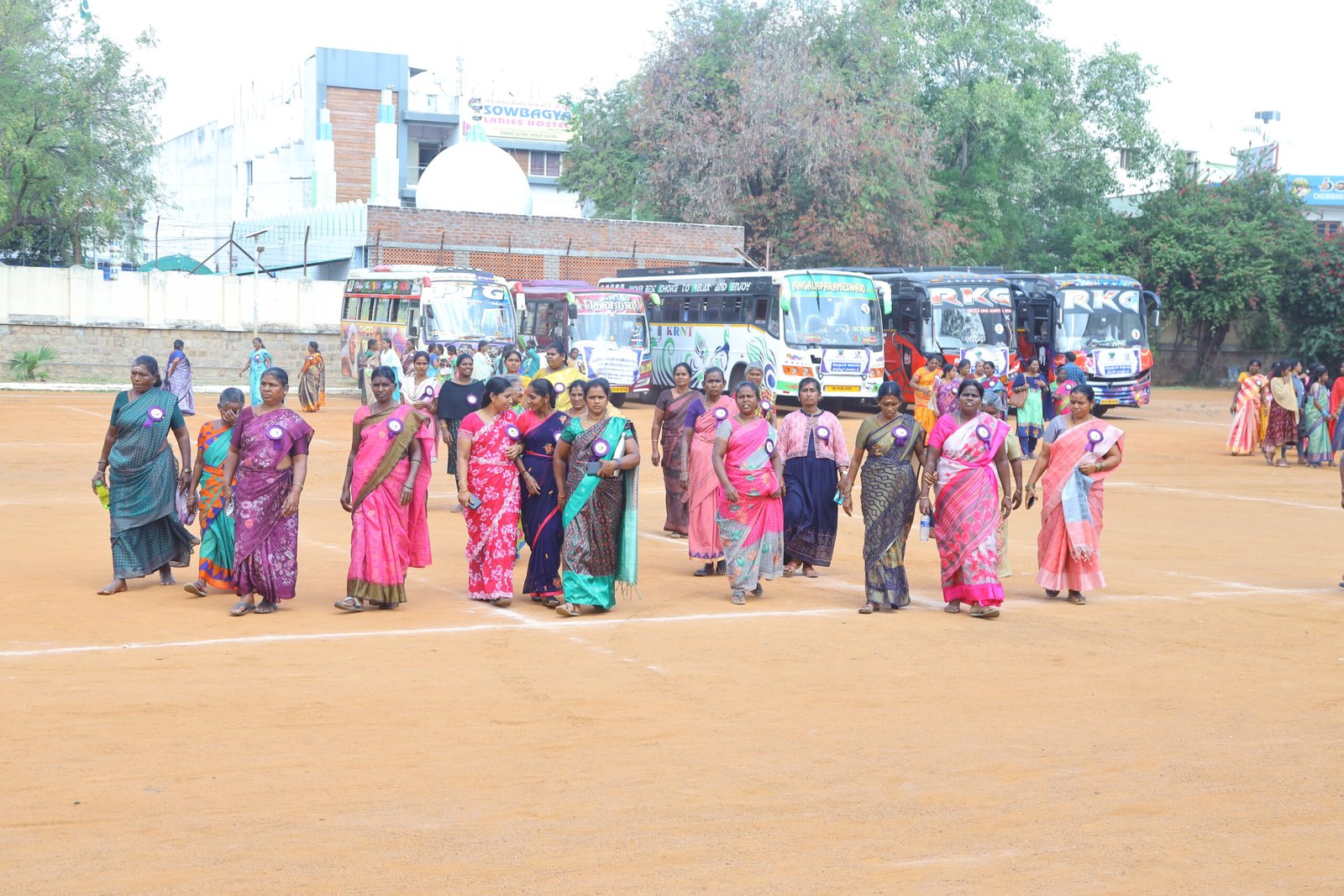
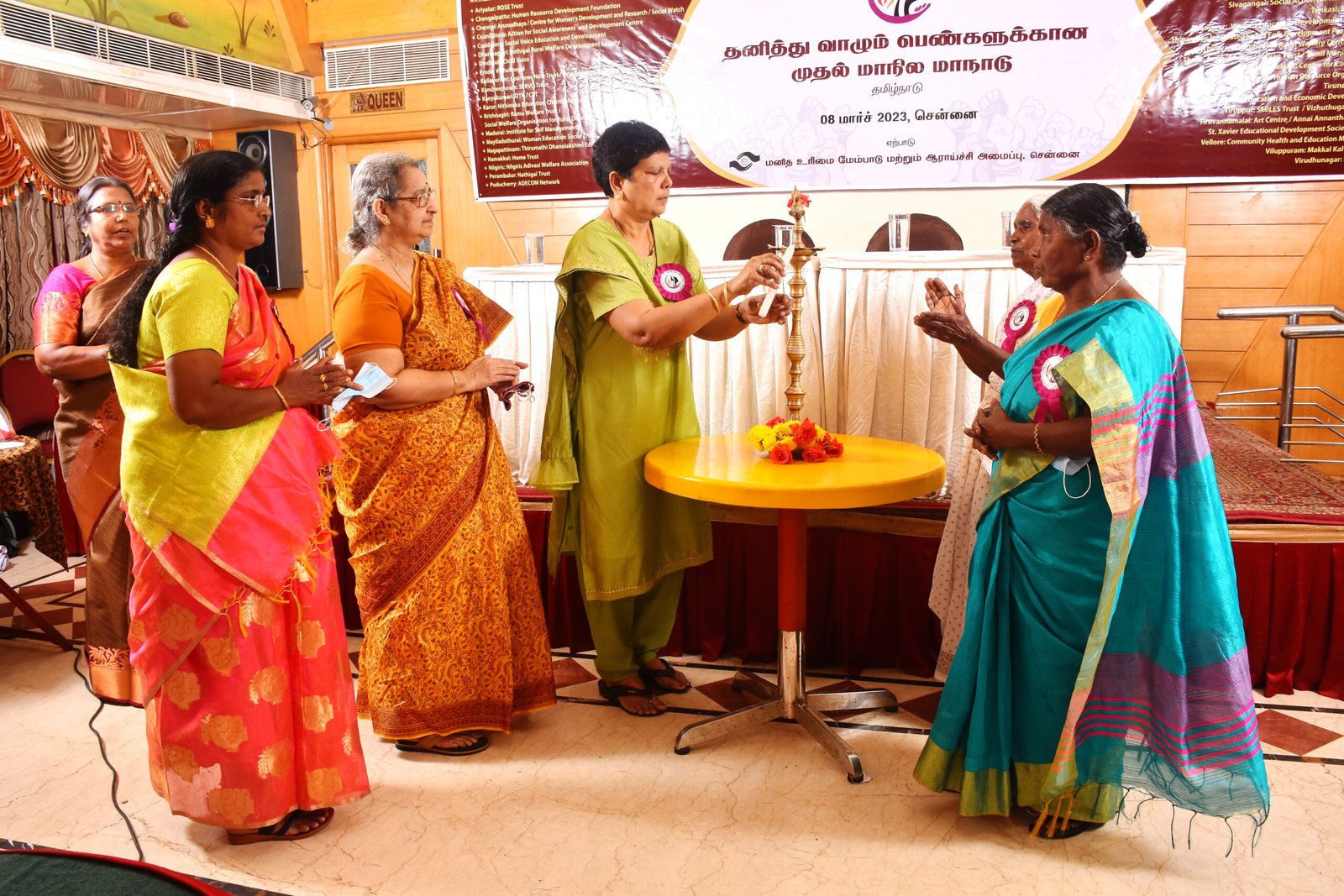
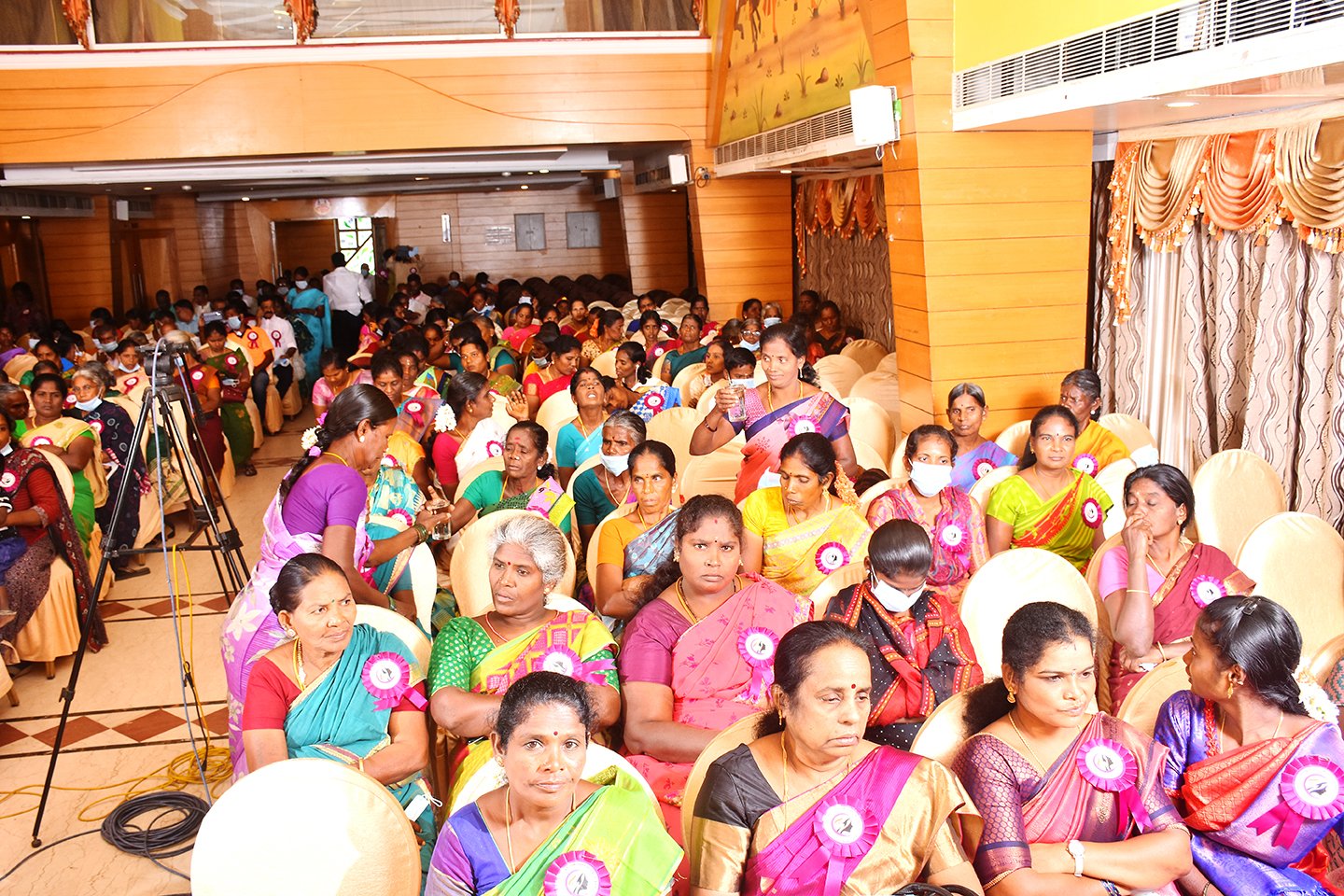
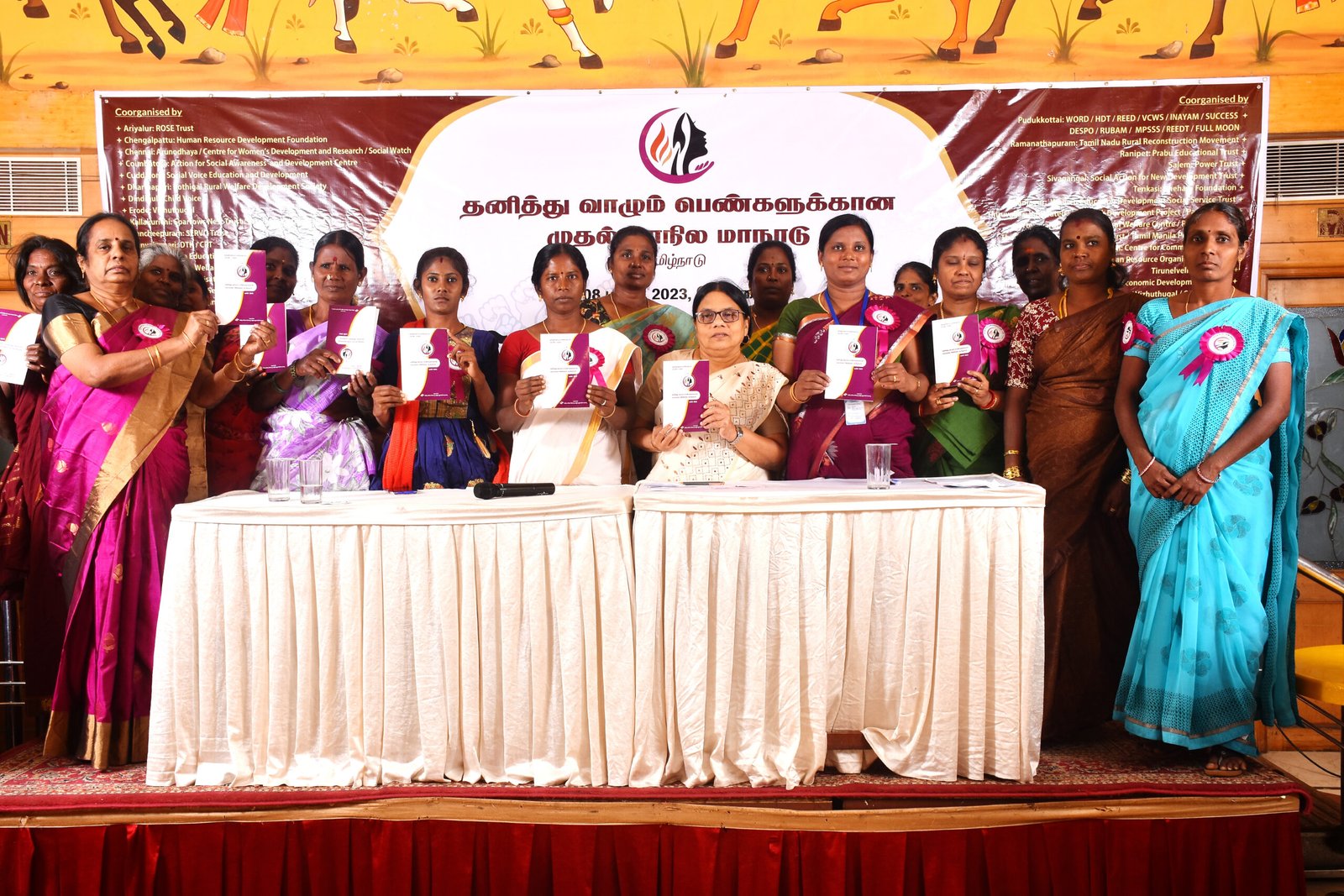
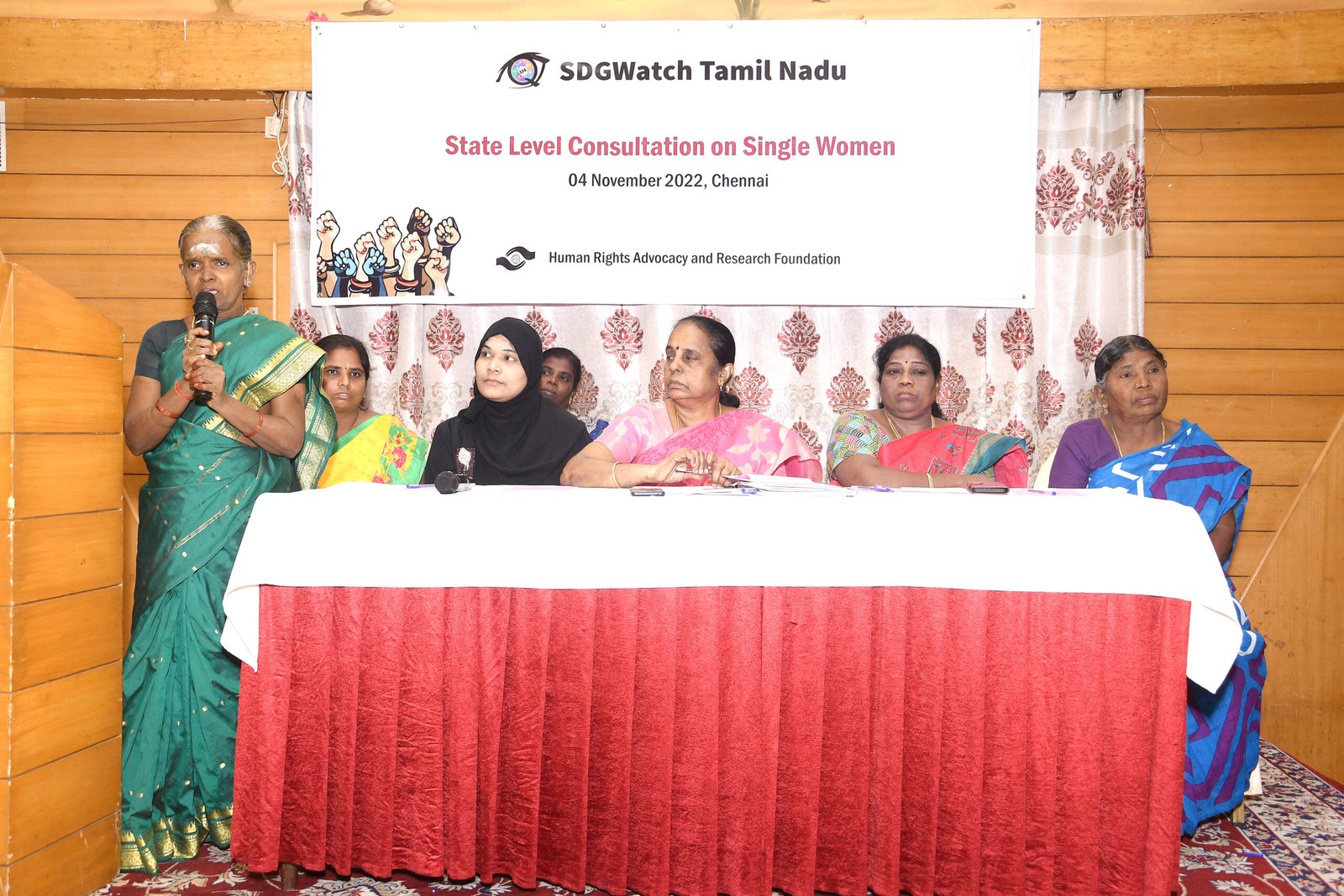
The Single Women’s Action Network—SWAN—is a collective of single women of all ages, communities, and marital status in Tamil Nadu, India.
Upcoming Programmes (2026-27)
September
05: Survivor’s solidarity and support forum: Villupuram
08: SWAN monthly coordination meeting
10: State level: Strengthening local government: Social security implementation (SDG based)
20: State level: SSWF: Review of district processes
20: Regional level : Women Leads in Solidarity: Monthly check-in
26-30: State level residential training: Social media for feminist organisations
Wednesday (02, 09, 16, 23, 30):
1530: Evidence building: Audio visual documentation
Saturdays (05, 12, 19, 26):
1500: Programme support: Strengthening SWAN
1530: Study circle
October
02: Grama Panchayat meeting
08: SWAN monthly coordination meeting
17: Strengthening local government: Social security implementation (SDG based)
20: State level: SSWF: Review of district processes
25: District level women fishers support and solidarity forums
25: District level: One-stop Women’s Centres: Survivors Solidarity Forums
Wednesday (07, 14, 21, 28):
1530: Evidence building: Audio visual documentation
Saturdays (03, 10, 17, 24, 31):
1500: Programme support: Strengthening SWAN
1530: Study circle
November
08: SWAN monthly coordination meeting
10: State level: Strengthening local government: Social security implementation (SDG based)
20: State level: Small Scale Women Fishers network meeting (Review of district processes)
22: Global: World Fisher Women’s Festival (14 coastal districts)
25-30: State, district: 16 days activism – Campaign against violence against women and girls
27: State level: SDG Watch TN IX Annual Convention
27: Human Rights Defenders Day: Remembrance and celebrations
28: District level Fisher Women’s Support and Solidarity Forum (14 coastal districts)
28: District level: One-stop Women’s Awareness and Support Centres: Survivors Solidarity Forum (18 districts)
Wednesday (04, 11, 18, 25):
1530: Evidence building: Audio visual documentation
Saturdays (07, 14, 21, 28):
1500: Programme support: Strengthening SWAN
1530: Study circle
December
08: SWAN monthly coordination meeting
10: State level: Strengthening state human rights mechanisms (SDG 16)
10: Human rights defenders day
20: State level: Small Scale Women Fishers network meeting (Review of district processes)
Wednesday (02, 09, 16, 23, 30):
1530: Evidence building: Audio visual documentation
Saturdays (05, 12, 19, 26):
1500: Programme support: Strengthening SWAN
1530: Study circle
Upcoming programmes
Programmes 2027
January
08: Core committee meeting: Single Women Action Network (SWAN) annual convention planning
08: Women Lead Solidarity: Strengthening Women led NGOs Solidarity Network
10: State level: Strengthening local government: Social security implementation (SDG based)
16: District level: Balavana initiation
18: State level: Participation in, and engagement with, local government (online)
20: State level: Small Scale Women Fishers (SSWF) network meeting (Review of district processes)
24: District level: One-stop women’s awareness and support centres: Quarterly survivors’ forums
26: Programme support: Participation of women in local self-government
Wednesday ((06, 13, 16, 20, 27):
1530: Evidence building: Audio visual documentation
Saturdays(02, 09, 16, 23, 30):
1200: SWAN III Annual convention: Core committee meeting
1500: Programme support: Strengthening SWAN
1530: Study circle
February
08: Core committee meeting: Single Women Action Network (SWAN) annual convention planning
10: State level: Strengthening local government: Social security implementation (SDG based)
20: State level: SSWF meeting (Review of district processes)
Wednesday (03, 10, 17, 24):
1530: Evidence building: Audio visual documentation
Saturdays (06, 13, 20, 27):
0900-1800 Survivors’ support and solidarity forum
1200: SWAN III Annual convention: Core committee meeting
1500: Programme support: Strengthening SWAN
1530: Weekly study circle
March
Women’s history month
02: Strengthening small-scale women fishworkers (SSWF): Villupuram district consultation, vulnerability mapping, and life history documentation (NELD)
08: SWAN monthly coordination meeting
09: State level: Strengthening local government: Social security implementation (SDG based)
14: SDG Watch TN IX Annual Convention (Goal 5): Crime Against Women and Girls 1953-2023 (NCRB): National report release and human rights defenders remembrance day
20: State level: SSWF: Review of district processes
24: SWAN: IX Annual convention
Wednesday (03, 10, 17, 24, 31):
1530: Evidence building: Audio visual documentation
Saturdays (06, 13, 20, 27):
1200: SWAN III Annual convention: Core committee meeting
1500: Programme support: Strengthening SWAN
1530: Study circle
April
Dalit history month
08: SWAN monthly coordination meeting
10: State level: Strengthening local government: Social security implementation (SDG based)
10: Women Leads in Solidarity (WLS): State level coordination meeting
12,13 SWAN strategic planning meeting with Networks
20: State level: SSWF: Review of district processes
26: District level women fishers support and solidarity forums
26: District level: One-stop women’s awareness and support centres: Quarterly Survivors’ forums
Wednesday (07, 14, 21, 28):
1530: Evidence building: Audio visual documentation
Saturdays (03, 10, 17, 24):
1500: Programme support: Strengthening SWAN
1530: Study circle
May
06: SWAN Framework drafting committee meeting
08: SWAN monthly coordination meeting
17: SWAN: Systems and Structures drafting committee meeting
Good deeds day
Wednesday (03, 10, 17, 24):
1530: Evidence building: Audio visual documentation
Saturdays (06, 13, 20, 27):
1500: Programme support: Strengthening SWAN
June
08: State level: SWAN review
09: State level: Strengthening local government: Social security implementation (SDG based)
20: State level: SSWF: Review of district processes
23: International Widows Day
27-29: State level systems analysis workshop: Entitlements
Wednesday (02, 09, 16, 23, 30):
1530: Evidence building: Audio visual documentation
Saturdays (05, 12, 19, 26):
1500: Programme support: Strengthening SWAN
July
08: SWAN monthly coordination meeting
10: State level: Strengthening local government: Social security implementation (SDG based)
20: State level: Small Scale Women Fishers (SSWF): Review of district processes
25: District level: Survivors’ Solidarity and Support Forum (SSSF), (32 districts)
Wednesday (01, 08, 15, 22, 29):
1530: Evidence building: Audio visual documentation
Saturdays (04, 11, 18, 25):
1500 Programme support: Strengthening SWAN
August
2-8: Single Working Women’s Week
04: Single Working Women’s Day
08: SWAN monthly coordination meeting
10: State level: Strengthening local government: Social security implementation (SDG based)
15: Grama Sabha monitoring
20: State level: SSWF: Review of district processes
Wednesday (04, 11, 18, 25):
1530: Evidence building: Audio visual documentation
Saturdays 07, 14, 21, 28):
1500: Programme support: Strengthening SWAN
1530: Study circle